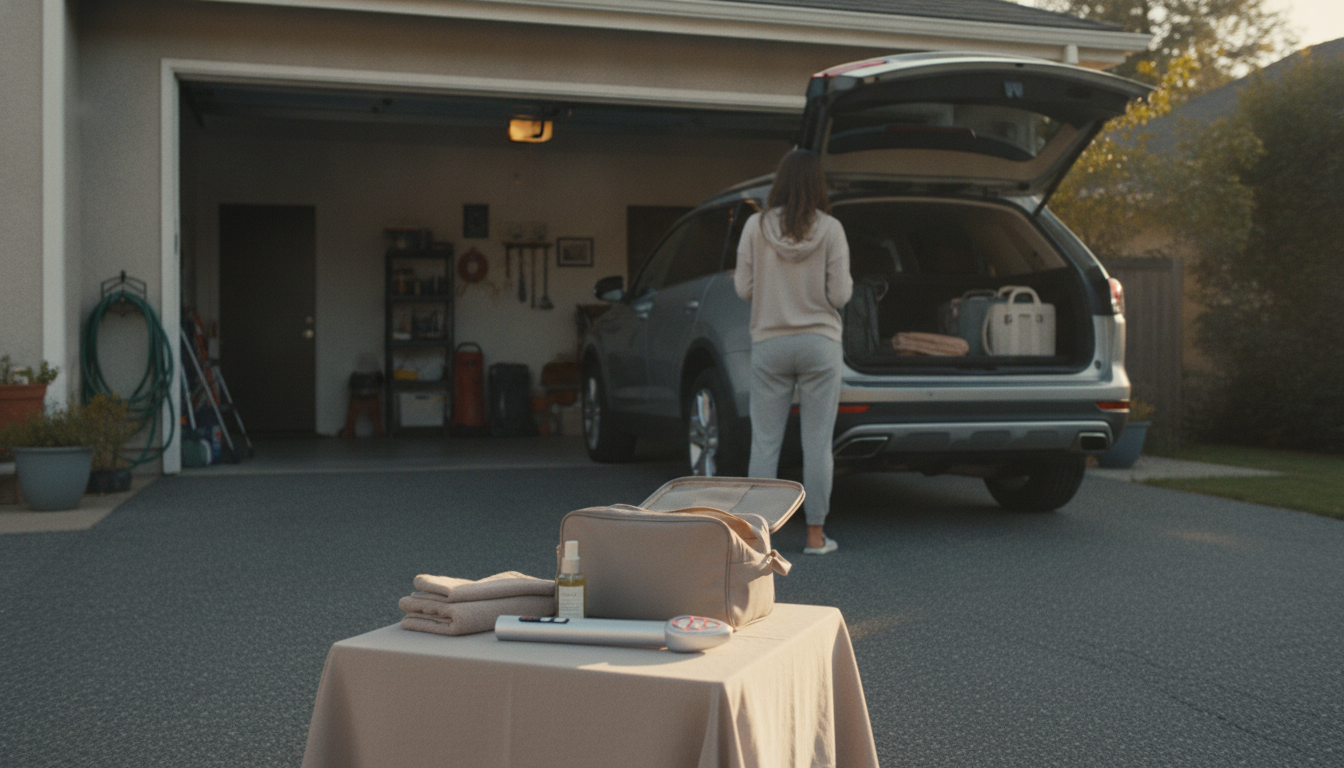
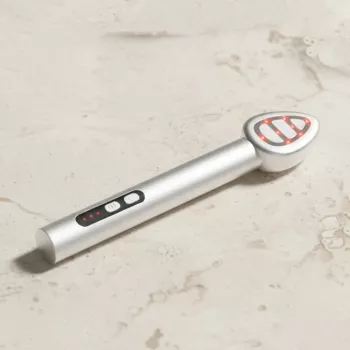
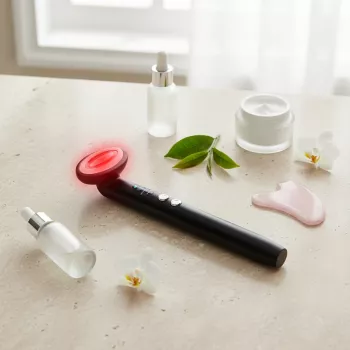
Facial massagers with LED lights can work, but results depend on the type of LED used, how consistently it’s used, and what you’re trying to improve. The massage component helps by temporarily reducing puffiness and promoting a fresher-looking glow through increased circulation and lymphatic drainage. The LED component (most commonly red or blue light) may support visible skin improvements over time when used correctly and safely.
Facial massage can quickly make skin look less puffy and more energized, especially around the jawline and under-eyes. It can also help skincare products spread more evenly. These effects are typically short-lived, so regular use matters if you like the look.
LED light therapy is studied most for red and blue wavelengths. Red light is often associated with supporting collagen appearance and smoothing the look of fine lines over time. Blue light is commonly used to help manage acne-prone skin by targeting acne-causing bacteria on the surface. At-home devices tend to be lower intensity than in-office treatments, so changes are usually subtle and build with steady use.
Think of an LED facial massager as a consistency tool, not a one-time fix. It may help skin look calmer, brighter, and less swollen, and it may gradually improve the look of texture or mild breakouts. It won’t replace sunscreen, prescription acne care, professional procedures, or good basics like gentle cleansing and moisturizing.
Use it on clean skin, follow the device’s time limits, and don’t press hard—gentle pressure is enough. If you’re using active ingredients (like retinoids or acids), be mindful of irritation and consider using LED on “rest” days. Avoid looking directly into the lights and skip use over irritated or broken skin.
For a deeper breakdown of LED types, realistic timelines, and how to choose a device, visit the full guide on facial massagers with LED lights.
Many people use it 3–5 times per week for a few minutes per session, depending on the device’s instructions. Consistency tends to matter more than long sessions.










Leave a comment