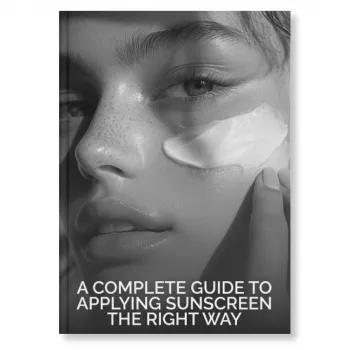
Consistent sunscreen use is one of the most effective ways to help prevent sunburn, premature skin aging, and skin cancer. The biggest gap is rarely the SPF number—it’s how much is used, where it’s missed, and how often it’s reapplied. Below is a practical, repeatable approach for face and body, plus easy tweaks for makeup days, outdoor time, and sensitive skin.
Sunscreen helps protect skin from ultraviolet (UV) radiation that contributes to sunburn and long-term damage. Look for “broad-spectrum” on the label to help cover both UVA and UVB rays—SPF mainly reflects UVB protection.
No sunscreen blocks 100% of UV rays, so habits matter too: seek shade, wear protective clothing, and use hats and sunglasses. If a product says “water-resistant,” it means it maintained protection during a tested time window in water or sweat—it does not mean “waterproof.” For more on labeling and safe use, the U.S. Food & Drug Administration (FDA) has a clear overview.
Daily use tends to be more consistent when the formula feels good and fits your routine. Broad-spectrum SPF 30 or higher is a strong everyday baseline; higher SPFs can offer incremental benefits, but only when applied in the right amount and reapplied as needed.
| Situation | Best format | Why it helps |
|---|---|---|
| Everyday face under skincare/makeup | Lightweight fluid or lotion | Layers well and is easier to apply in the correct amount |
| Dry or compromised barrier | Cream or moisturizing lotion | Reduces tightness and improves comfort so application is more consistent |
| Outdoor sports/sweat | Water-resistant lotion + stick for touch-ups | Better adherence; stick helps reapply to high-wear spots |
| Beach/pool | Water-resistant lotion (reapply on schedule) | More reliable base layer than mist-only application |
| Scalp parting/ears | Stick or lotion applied by hand | Improves precision on commonly missed areas |
Most people under-apply, which quietly drops real-world protection. Two simple targets make it easier to stay consistent.
Apply sunscreen as the last step of morning skincare and before makeup. If using chemical filters, applying about 15 minutes before going outdoors can help the product form an even film. Mineral filters protect upon application, but a short set time still improves adherence.
Reapply at least every 2 hours when outdoors—and sooner after swimming, sweating, or towel-drying, even if the label says “water-resistant.” Indoor days can still add up near windows or during driving. The CDC’s sun safety guidance is a helpful reference for daily exposure scenarios.
A simple order prevents pilling and keeps protection more even: cleanser → treatment serums → moisturizer (if used) → sunscreen → makeup.
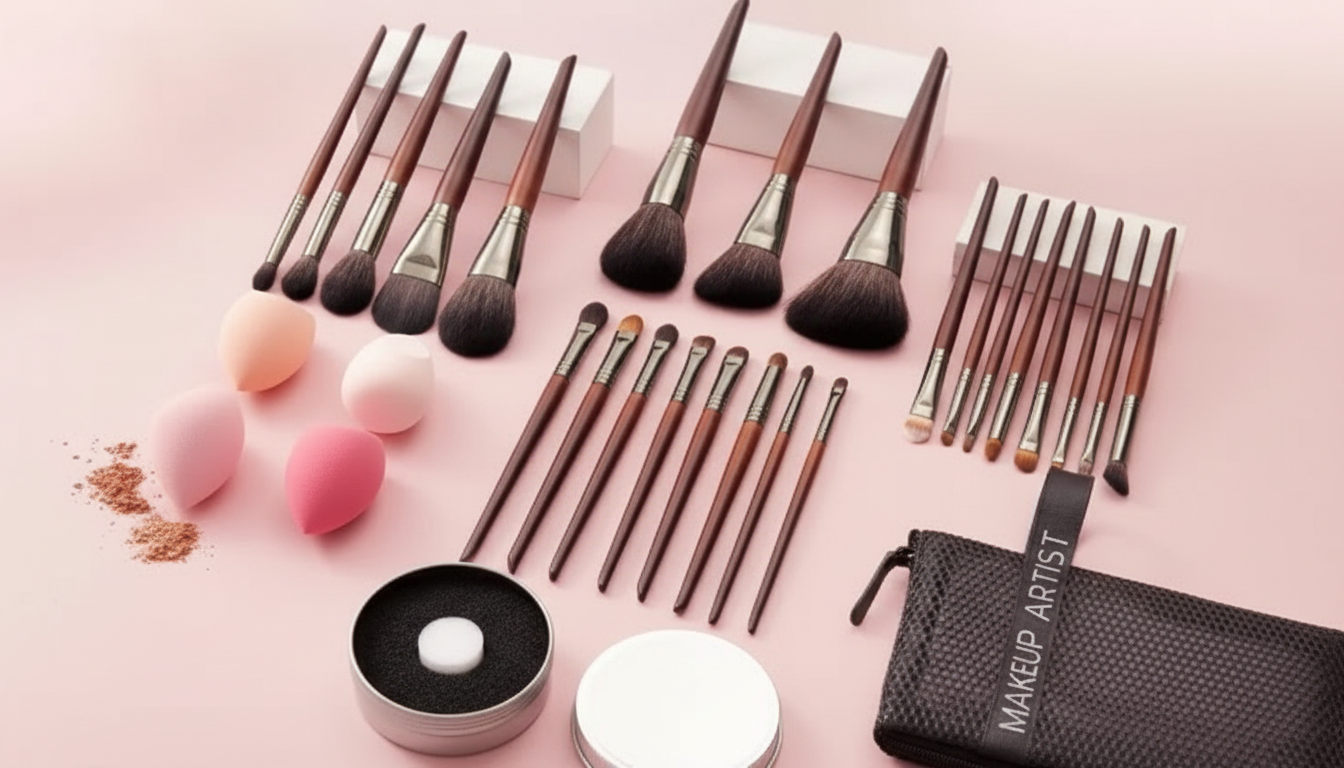
If you like a clean, controlled reapplication over makeup, keeping tools separate helps. A dedicated set like the 27-Piece Professional Makeup Brush Set can make it easier to reserve one brush or sponge for sunscreen touch-ups and keep application more even.
For additional practical tips and common troubleshooting, the American Academy of Dermatology Association (AAD) has easy-to-follow FAQs.
If routines change with seasons, makeup, workouts, or travel, a structured reference can make the habit easier to keep. A Complete Guide to Applying Sunscreen the Right Way (Digital Download) lays out repeatable steps for amounts, timing, and reapplication strategies, with reminders for commonly missed areas.
For a simple, toss-in-your-bag option, the Purple Canvas Cosmetic Bag keeps reapplication essentials together. Replace products as needed, and avoid leaving sunscreen in hot cars or direct sun for extended periods.
Plan to reapply at least every 2 hours when outdoors, and reapply sooner after swimming, sweating, or towel-drying. If a label says “water-resistant,” it’s tested for a specific time window (such as 40 or 80 minutes), not all-day protection.
Mineral filters begin protecting as soon as they’re applied, but giving the layer a brief set time helps it adhere more evenly and resist rubbing off. You still need to reapply on the same schedule—especially after water, sweat, or friction.
Usually not, because most people don’t apply enough foundation, concealer, or powder to reach the labeled SPF. Use a dedicated sunscreen layer first, then apply makeup on top and reapply sunscreen as needed.










Leave a comment